
Handmade Soap Benefits: The Scientific Guide to Natural Skincare | Alam Ara
TL;DR — Quick Answer Handmade soap has 5 scientifically documented advantages over commercial bars: it retains natural glycerin (commercial soap removes it),…
TL;DR — Quick Answer
Handmade soap has 5 scientifically documented advantages over commercial bars: it retains natural glycerin (commercial soap removes it), uses saponified oils with intact fatty acid profiles, contains no SLS/SLES that strips the acid mantle, avoids synthetic fragrance (the #1 cause of skin allergies), and supports the skin microbiome through its gentler surfactant profile. These are not marketing claims — they are measurable differences in formulation chemistry. The caveat: not all “handmade” soap is equal; PCSIR Grade 1 certification is the only independent verification currently available in Pakistan.
Have you ever thought about the real handmade soap benefits when you lather up? We’ve been conditioned to believe that a squeaky-clean feeling means our skin is pure, but what if that sensation is actually a cry for help? What if the very product you trust to cleanse and purify is silently stripping away your skin’s vital defenses, leaving it vulnerable and dry? It’s time to peel back the layers and uncover a truth that the big brands don’t want you to know. At Alam Ara, we believe in a better way. Our handmade soaps offer a return to natural, simple ingredients that work with your skin, not against it. In this scientific and skin-deep guide, we’re not just talking about soap; we’re talking about a fundamental shift in how you care for the largest organ of your body.
In This Article:
- What are the Dangers of Commercial Soap Ingredients?
- Handmade Soap vs Commercial Soap Ingredients: The Natural Difference
- Why Use Soap with Essential Oils?
- Multani Mitti and Clays: Natural Exfoliants for Acne-Prone Skin
- Is Handmade Soap Better for Eczema, Psoriasis & Dry Skin?
- A Necessity for Polluted Urban Environments
- Which Skin Layer Benefits Most?
- How to Make Your Handmade Soap Last Longer
- The Verdict: A Simple Choice for Lasting Skin Health
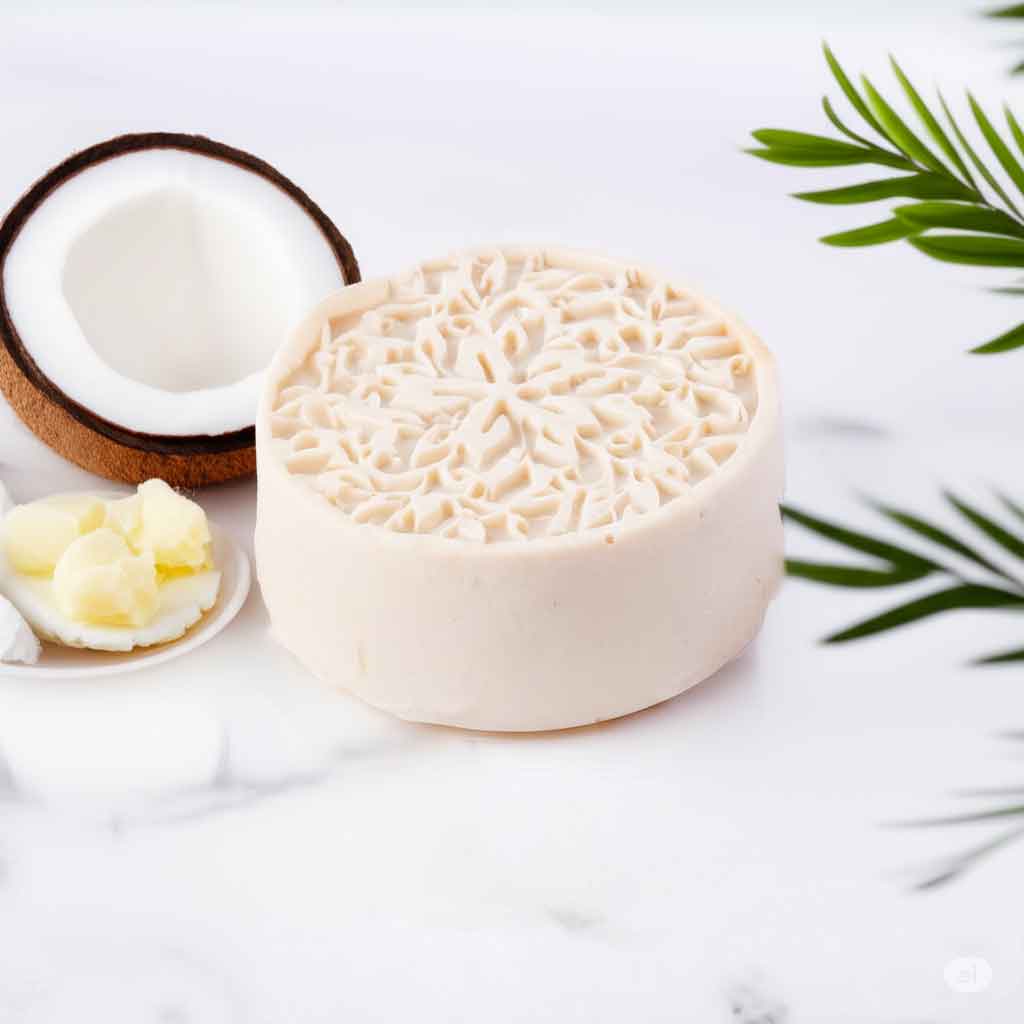
What are the Dangers of Commercial Soap Ingredients?
Commercial soaps, often referred to as “Detergent Bars,” prioritize lather and shelf stability over skin health. Their formulations frequently rely on synthetic and processed ingredients that can damage your skin’s natural barrier.
- Sodium Lauryl Sulfate (SLS): This is a powerful surfactant (foaming agent) that aggressively cleanses by breaking down oils. While it’s great for degreasing an engine, it also strips the skin’s natural protective acid mantle, a thin film on the outermost layer of your skin (the epidermis). This leaves your skin vulnerable to bacteria, dryness, and irritation. The Pakistan Standard for Toilet Soap mentions a lathering test using a 1% solution of sodium lauryl sulfate.
- Parabens: These are common preservatives (e.g., methylparaben, propylparaben) used to prevent microbial growth and extend a product’s shelf life. Research suggests parabens can penetrate the skin and mimic estrogen, potentially disrupting your body’s endocrine system. They have been found in breast tissue and are a concern for long-term health.
- Triclosan: An antibacterial agent often found in “antibacterial” soaps. The FDA has banned its use in over-the-counter hand soaps due to concerns about its contribution to antibiotic-resistant bacteria and its ability to disrupt hormone function.
- Synthetic Fragrances & Dyes: The term “fragrance” can hide hundreds of undisclosed chemical compounds, including phthalates, which can be skin irritants and are linked to hormone disruption. Artificial dyes and colors can also cause allergic reactions and skin sensitivity.
These chemicals primarily affect the epidermis, damaging the skin barrier and leading to dryness and irritation. Over time, this damage can lead to chronic skin conditions and premature aging.
Your skin deserves better.

Handmade Soap vs Commercial Soap Ingredients: The Natural Difference
Handmade soaps, especially those following Ayurvedic principles, offer a stark contrast with your skin. The focus is on a gentle, nourishing experience that benefits the skin in both the short and long term.
The Saponification Process:
Handmade soaps are created through a meticulous saponification process, where oils are reacted with an alkali (lye) to create soap and glycerin. Unlike commercial processes where glycerin is often removed, in handmade soap, it remains as a natural humectant.
How Glycerin nurtures the skin?
Our handmade soaps retain all the natural glycerin which, draws moisture from the air and into the skin, hydrating the outermost layers (the stratum corneum) and leaving the skin feeling soft and moisturized. This provides a constant source of hydration, helping to keep your skin plump, soft, and supple without the need for additional lotions.
Natural & Botanical Ingredients:
- Herbal Infusions: our handmade soaps have infusions of Ayurvedic herbs like neem, turmeric, aloe vera and tulsi. Neem is known for its antibacterial properties, turmeric for its anti-inflammatory and brightening effects, Aloe vera soothes and hydrates the skin, making it a powerful natural remedy for irritation and dryness and tulsi for its purifying and soothing qualities.
- Oils and Butters: we incorporate a variety of nourishing oils such as coconut, olive, and jojoba, as well as rich butters like shea and cocoa butter. These oils are rich in fatty acids and vitamins that are readily absorbed by the skin.
- Benefits:
- Short-term: These ingredients provide immediate hydration and a soothing effect, preventing the post-wash tightness associated with commercial soaps. The natural fatty acids help to replenish the skin’s lipid barrier.
- Long-term: Regular use of these ingredients can improve overall skin health, enhancing its elasticity, and providing a natural glow. The antioxidants from botanicals help protect the skin from environmental stressors, supporting the integrity of the dermal and epidermal layers over time.
Why Use Soap with Essential Oils?
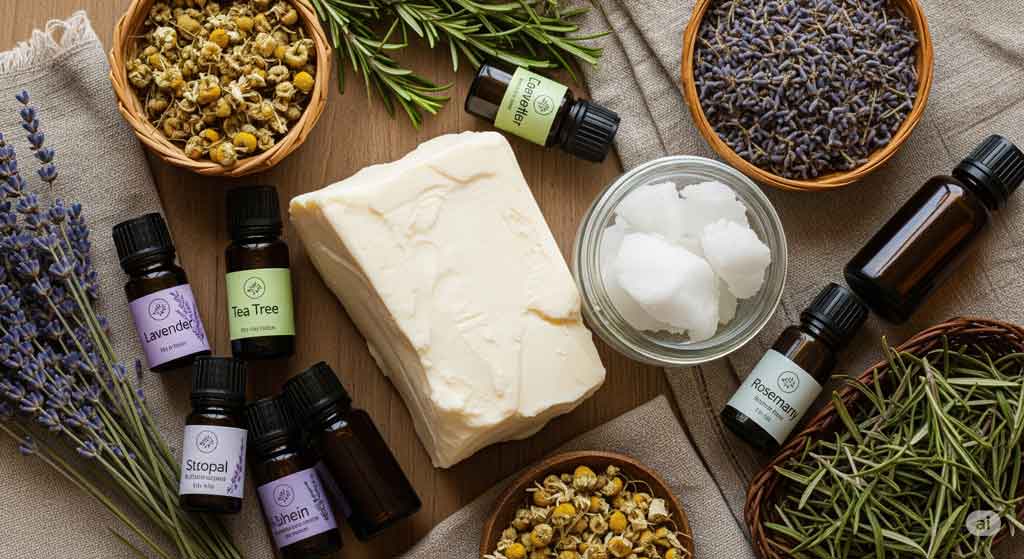
Essential oils are at the heart of our soaps, providing therapeutic benefits beyond just scent. We have in-depth knowledge of how different aromatic ingredients interact to create specific profiles while also providing skin benefits.
- Rose Essential Oil: Known for its deeply hydrating and anti-inflammatory properties, it’s excellent for soothing irritated skin and promoting a youthful, dewy complexion.
- Jasmine Essential Oil: A natural antiseptic, it’s a great choice for balancing skin moisture and providing a calming, uplifting aroma.
- Lemongrass Essential Oil: Possesses powerful purifying and toning benefits, making it an excellent choice for oily and blemish-prone skin.
- Tea Tree Essential Oil: A natural antiseptic, it is excellent for blemish-prone skin.
- Rosemary Essential Oil: Possesses antioxidant and anti-inflammatory benefits.
Essential oils provide a holistic experience, combining aromatherapy with skin-nourishing benefits. They contribute to a more gentle and effective product that aligns with the principles of natural skincare.
Handcrafted for a healthier you.
Multani Mitti and Clays: Natural Exfoliants for Acne-Prone Skin
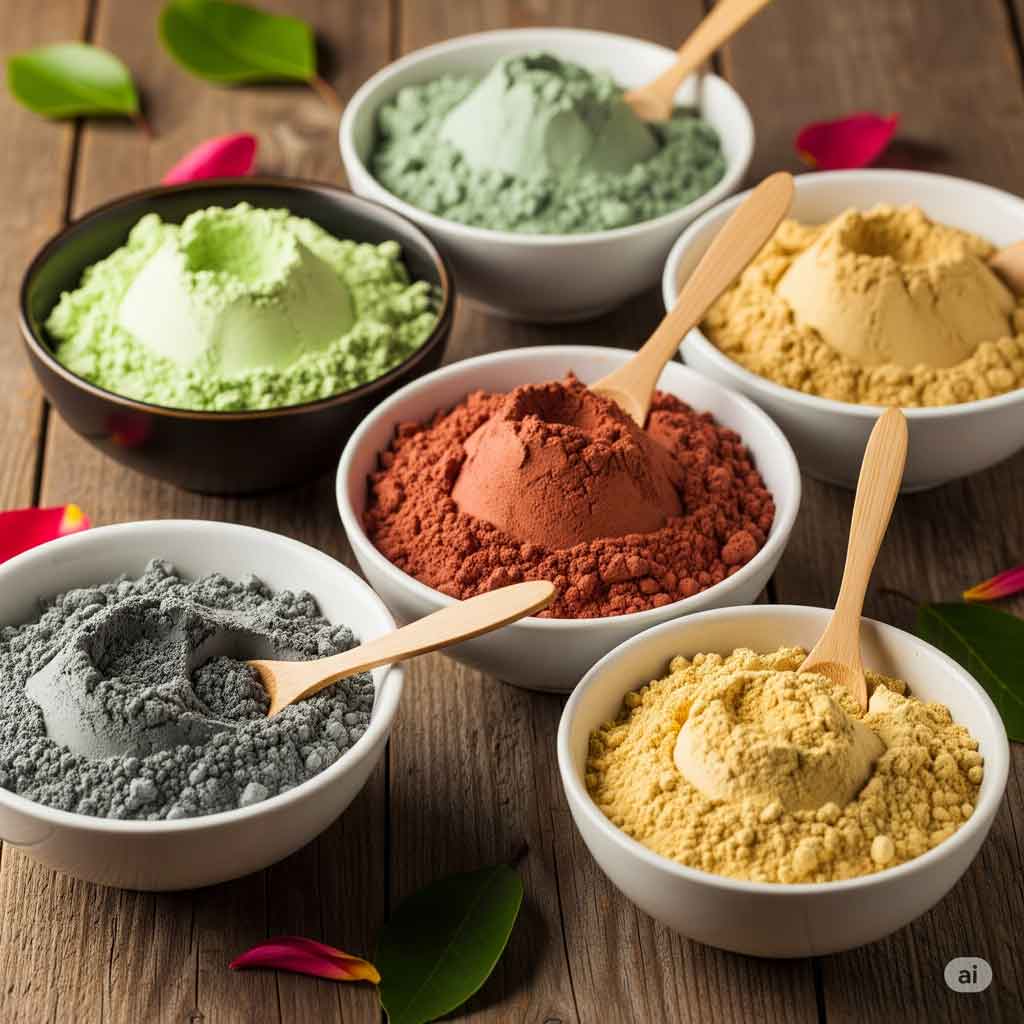
Clays like Multani Mitti and Activated Charcoal are powerful natural ingredients added to handmade soaps. They provide gentle exfoliation and absorb excess oil, making them highly effective for different skin types, particularly for a natural soap for acne-prone skin.
- Multani Mitti (Fuller’s Earth): This well-known clay is a favorite in the region for its powerful oil-absorbing and purifying properties. It’s excellent for treating oily skin by drawing out impurities.
- Pink Clay: The handmade soap with pink clay is ideal for sensitive skin, it provides a mild cleanse without stripping moisture, perfect for revitalizing dull complexions.
- Activated Charcoal: It’s a highly porous form of carbon that has a large surface area, allowing it to absorb a significant amount of impurities, toxins, and excess sebum. It is known to unclog pores and is particularly effective for deep cleansing oily or acne-prone skin.
Natural beauty. Naturally you.
Is Handmade Soap Better for Eczema, Psoriasis & Dry Skin?
Yes. The absence of harsh detergents and synthetic fragrances makes handmade soap a much gentler choice for individuals with sensitive skin conditions like eczema, psoriasis, and general dryness. The natural glycerin and super-fatted oils work to soothe and hydrate the skin, helping to restore its compromised barrier. Unlike commercial soaps that can trigger flare-ups, a natural soap can be a key part of a calming skincare routine.
We believe in healing, not just cleansing.
A Necessity for Polluted Urban Environments
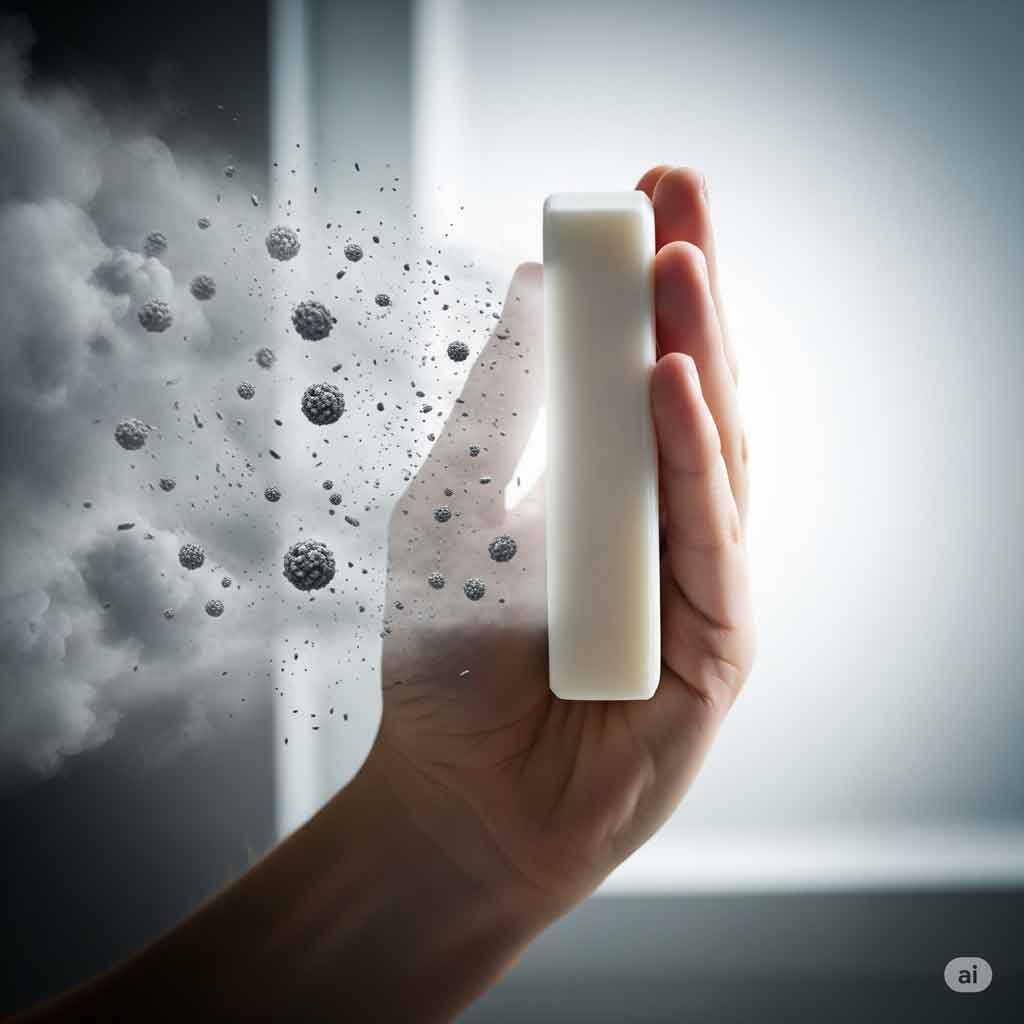
In cities like Lahore and Karachi, where air pollution is a daily challenge, the need for a truly effective cleanser is critical. Pollutants like smog and dust settle on your skin, clogging pores and causing irritation. While commercial soaps can strip away this grime, their harsh chemicals compromise your skin’s natural barrier. Our gentle, nourishing handmade soaps provide a much-needed solution, effectively lifting away pollutants without stripping your skin’s vital moisture, making them an essential part of skincare for polluted urban environments.
Cleanse the day away, naturally.
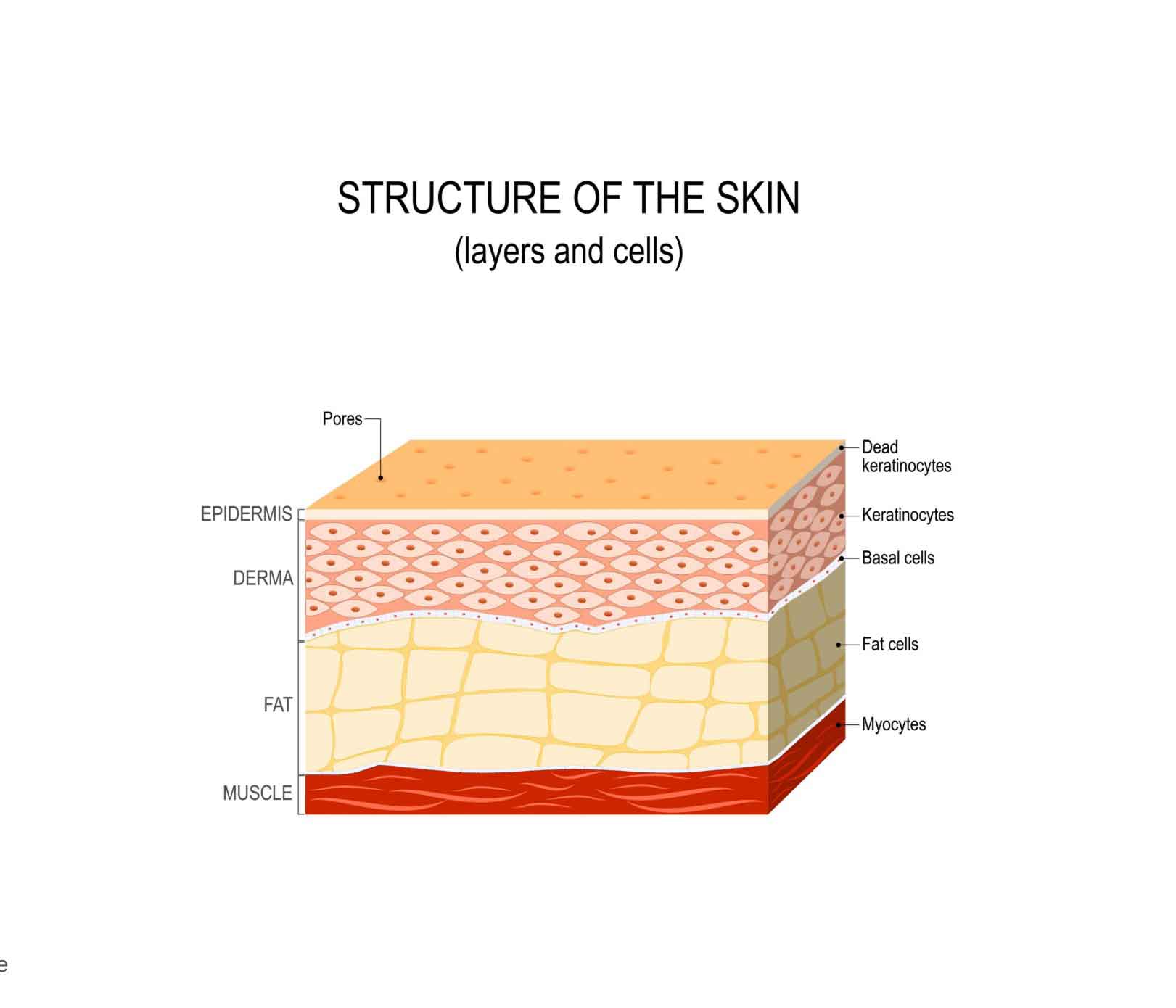
Which Skin Layer Benefits Most?
Handmade soap provides benefits across all layers of the skin, working from the outside in to promote lasting health.
- Stratum Corneum (Top Layer): This is the outermost layer of your skin. Handmade soap helps it retain hydration, which prevents flakiness and keeps your skin smooth.
- Epidermis (Outer Layer): The gentle, non-stripping nature of handmade soap protects this layer from dryness and irritation, supporting its function as a primary barrier against environmental stressors.
- Dermis (Deeper Layer): Over time, the vitamins and fatty acids from the natural ingredients are absorbed, nourishing this deeper layer of your skin. This process helps to maintain elasticity and support long-term skin health.
How to Make Your Handmade Soap Last Longer: Tips for a Better Wash
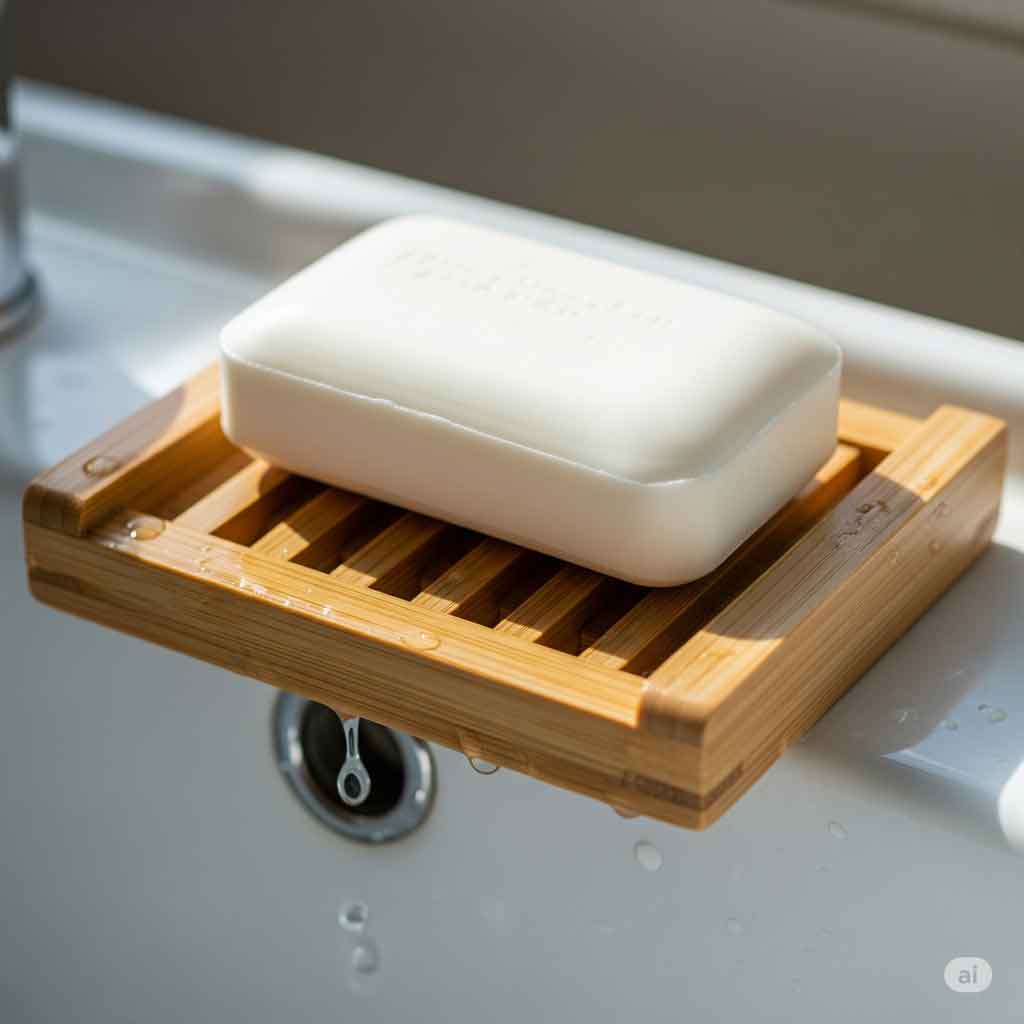
- Keep Your Natural Soap Dry: Use a soap dish with good drainage to allow air to circulate around the bar, preventing it from softening and dissolving quickly.
- Cut Larger Soap Bars in Half: This is an excellent way to extend the life of your soap, especially for softer varieties like shea butter soap.
- Use a Soap Saver Pouch or Exfoliating Bag: This tool helps you use up every last bit of soap, even the small pieces that might otherwise go to waste.
- Alternate Between Soaps: Rotating between a few different bars gives each one time to dry completely, significantly extending their longevity.
The Verdict: A Simple Choice for Lasting Skin Health
By understanding the scientific and skin-deep differences between commercial and handmade soaps, you can see that the choice isn’t just about scent or price—it’s about the health and long-term vitality of your skin. While mainstream soaps may offer convenience and a low price point, they do so at the expense of your skin’s natural protective barrier, exposing it to harsh chemicals that can lead to irritation and dryness over time.
Choosing a soap from Alam Ara means choosing a product crafted with intention. It’s an investment in your well-being, providing your skin with the natural glycerin, nourishing oils, and therapeutic essential oils it needs to thrive. It’s a return to simplicity and a mindful decision to treat your body with the care it deserves.
Are you ready to make the switch and feel the difference for yourself? Explore our collection of handcrafted soaps bars and liquid soap for begining your journey to healthier, more radiant skin today.
Natural care that doesn’t cost a fortune, because you’re priceless.
Written by the Alam Ara Team.
At Alam Ara, we believe in holistic, natural beauty solutions backed by science and tailored for the unique needs of Pakistani skin.


